Certified mold remediation & prevention
Mold Remediation in Smyrna, GA
Mold follows water damage. In Georgia's warm, humid climate it can begin colonizing damp materials within 24 to 48 hours of a water loss. IICRC-certified crews contain the affected area, remove mold-damaged materials safely, treat the structure with antimicrobial agents and verify the space is clear before any rebuild begins.
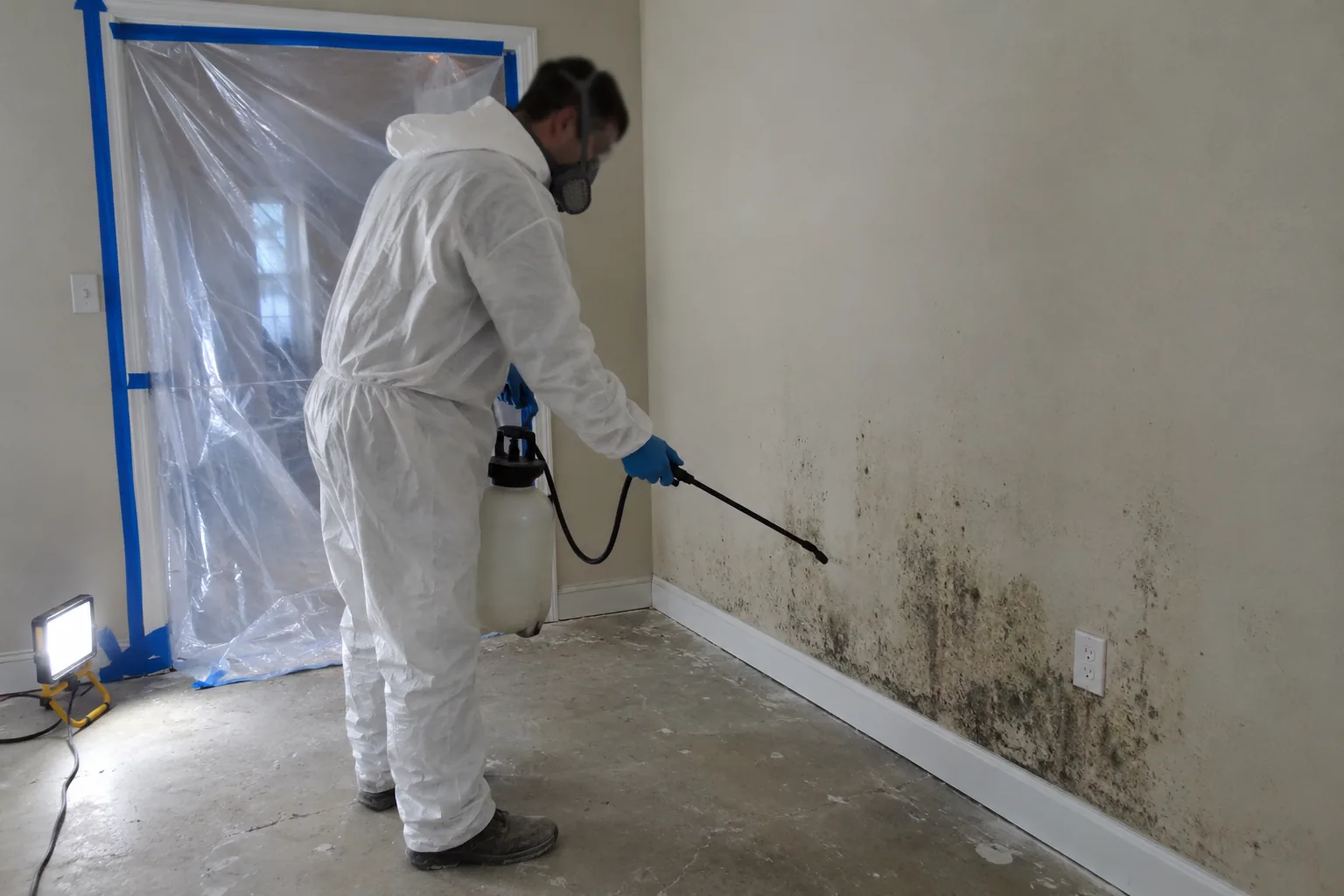
Why mold in a Smyrna home needs professional remediation
Mold is not just a cosmetic problem. It breaks down the materials it grows on and releases spores and mycotoxins into the air that can trigger respiratory issues, allergic reactions and more serious health effects in people with weakened immune systems. Smyrna's warm, humid summers mean a water damage event that goes untreated for even two days can produce visible colonies.
By the time you can smell it, the growth has usually spread further than what is visible. Household cleaners remove surface mold but leave the root system intact inside porous materials, so it grows back. Professional remediation removes the affected material entirely, treats what remains with antimicrobial agents and eliminates the moisture source that allowed the growth in the first place. Call the emergency line for mold remediation help in Smyrna: IICRC-certified crews, HEPA containment, direct insurance billing.
How fast mold grows after water damage
The speed depends on temperature, humidity and the material that got wet. Georgia's climate shortens every window. For the full breakdown, read the detailed mold growth timeline.
24 to 48 hours
Mold spores, which are already present in every building, begin germinating on wet drywall, wood and fabric. Nothing is visible yet, but the clock is running.
3 to 7 days
Visible colonies appear on surfaces. Drywall paper facing, ceiling tiles and carpet backing are the usual first hosts in a water-damaged Smyrna home.
1 to 2 weeks
Mold roots (hyphae) penetrate into wood grain and drywall, making surface cleaning ineffective. The affected material now has to be removed, not just treated.
3+ weeks
Secondary colonies spread through wall cavities, HVAC ductwork and ceiling voids, distributing spores to rooms that were never wet in the first place.
What causes mold problems in Smyrna homes
Mold needs moisture and an organic surface. Most cases trace back to water that was not dried thoroughly, or moisture that built up unnoticed.
Undetected plumbing leaks
Slow leaks behind walls or under slab foundations create persistent dampness that feeds mold growth for weeks before anyone notices a stain, a smell or a soft spot in the flooring.
Poor attic ventilation
Hot, humid Georgia air trapped in a poorly ventilated attic condenses on the underside of roof decking. Over time, that sustained moisture produces mold colonies across the entire attic surface.
Incomplete water damage drying
When water extraction and structural drying are cut short, residual moisture in wall cavities and subfloors provides enough dampness for mold to colonize. A dry surface does not mean dry framing behind it.
Storm water and foundation seepage
Heavy Georgia rainfall drives water through foundations, window wells and basement walls. Cobb County's red clay soil drains poorly, keeping the ground saturated long after the rain stops.
Our mold remediation process
Mold remediation follows a strict sequence, because cutting corners leaves spores behind or lets them spread to clean areas during the work. Here is how each job runs.
Inspection and moisture mapping
We locate all visible and hidden mold growth using moisture meters, thermal imaging and visual inspection behind walls and under flooring. Identifying the moisture source is the first step, because remediation without fixing the source means the mold returns.
Containment and HEPA air filtration
Physical barriers seal the work area from the rest of the building, and HEPA air scrubbers run continuously to capture airborne spores. Negative air pressure inside the containment zone prevents spores from escaping to unaffected rooms during removal.
Removing affected materials
Mold-damaged drywall, insulation, carpet, carpet pad and ceiling tiles are cut out, bagged and disposed of. Porous materials cannot be reliably cleaned once mold hyphae have penetrated below the surface. What has to go is documented for the insurance claim.
Cleaning and antimicrobial treatment
Every surface that stays, framing, studs, concrete, masonry and hard materials, is cleaned and treated with professional-grade antimicrobial agents that kill remaining mold and inhibit regrowth.
Drying and moisture source elimination
Commercial air movers and dehumidifiers dry the structure to a verified standard. The original moisture source, whether a leak, condensation buildup or drainage problem, is resolved so the conditions that caused the growth cannot return.
Verification
Final moisture readings confirm the structure is dry and the treated area is clear. No rebuild work begins until those readings pass. We provide the documentation your insurer and any third-party tester will ask for.
What we remove and what we save
Disposed of
Mold-affected drywall and drywall paper facing, insulation, carpet and pad, ceiling tiles, particleboard and any porous material where mold hyphae have penetrated below the surface. These materials cannot be reliably decontaminated.
Cleaned and treated
Wood framing and studs (cleaned, sanded if needed and treated), concrete and masonry, tile and other hard non-porous surfaces, HVAC components (cleaned and treated), and solid-wood furniture once it has been surface-cleaned and dried.
Does insurance cover mold remediation?
Most Georgia homeowners policies cover mold remediation when the mold resulted from a covered water damage event, such as a burst pipe or appliance failure. Coverage is usually subject to a sublimit, often $5,000 to $10,000, and requires prompt reporting. The faster you report the water damage and start drying, the stronger your claim.
Mold from long-term neglect, deferred maintenance or flooding (without a separate flood policy through the National Flood Insurance Program) is typically excluded. We document the mold damage, its connection to the original water loss and provide moisture readings for the adjuster. The water damage insurance checklist walks through what to document, and the insurance claims guide covers the full process.
How to tell if you have hidden mold
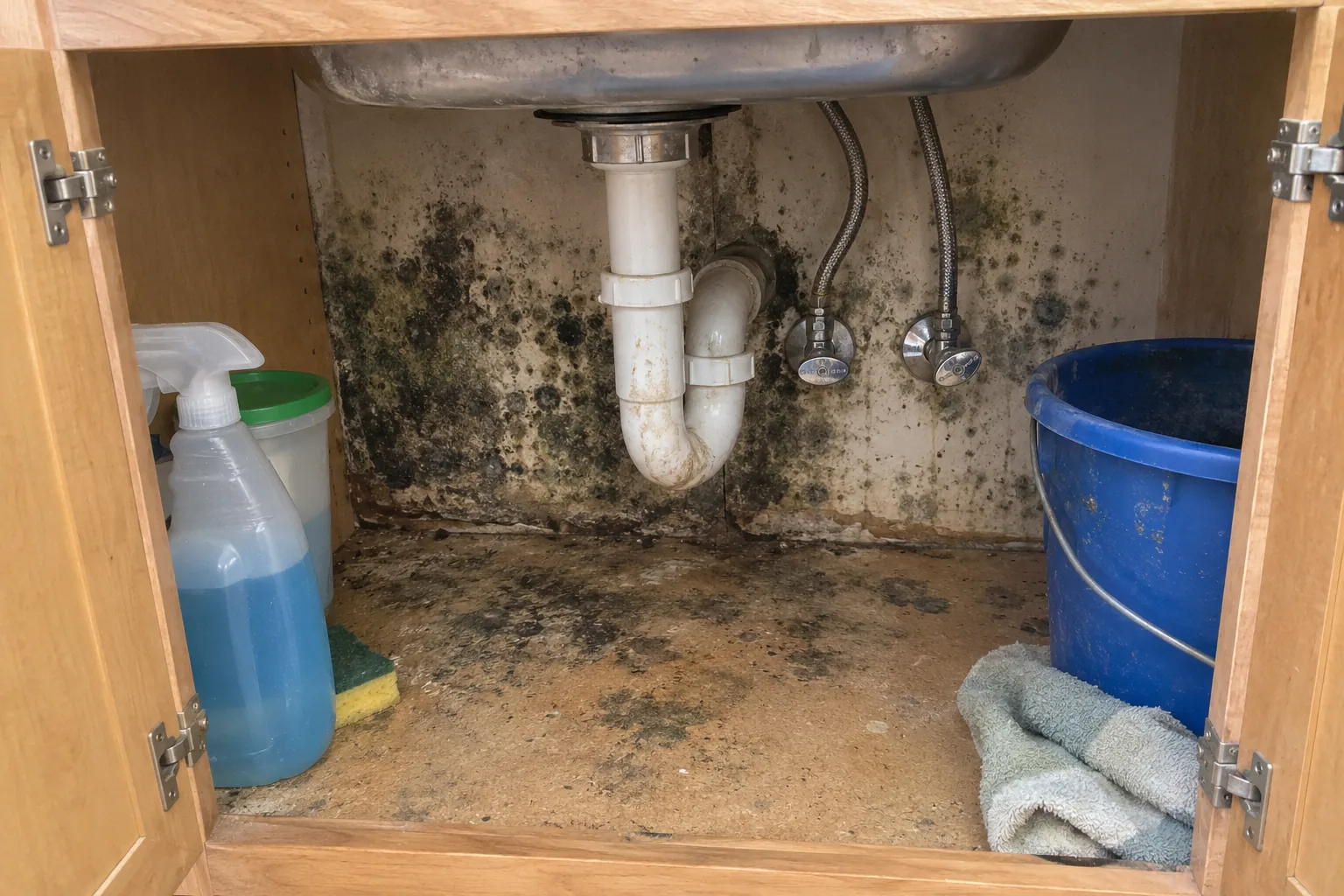
Not all mold is visible. It commonly grows behind drywall, under flooring, above ceiling tiles and inside HVAC ductwork where moisture collects unseen. These signs suggest a hidden problem.
- Persistent musty odor that you cannot locate but that is stronger in certain rooms or near certain walls.
- Worsening allergy symptoms indoors, such as nasal congestion, coughing or eye irritation, that improve when you leave the building.
- Discoloration, bubbling or peeling paint on walls or ceilings, which can indicate moisture and mold behind the surface.
- Any history of water damage that was not professionally dried, including slow leaks, past flooding or condensation problems.
- Visible mold in one area often means growth elsewhere. Mold in a bathroom may also be in the wall cavity behind it.
If you notice any of these signs, a professional inspection with moisture mapping can confirm or rule out hidden mold without unnecessary demolition. Call for a free assessment.
Related water damage services
We provide mold remediation and prevention across Smyrna, Vinings, Mableton, Marietta and the rest of Cobb County, with an average response time of 45 to 60 minutes to any address.
Frequently asked questions
How fast does mold grow after water damage?
Mold can begin growing within 24 to 48 hours after water damage in warm, humid conditions like those found across Smyrna and Cobb County. Visible colonies usually appear within three to seven days on damp drywall, wood and fabric. The warmer and more humid the environment, the faster the growth. Read the full mold growth timeline for more detail.
Can I remove mold myself?
You should not attempt to remove mold yourself if the affected area is larger than about 10 square feet, if the mold is inside wall cavities or HVAC systems, or if anyone in the household has respiratory conditions. Household cleaners remove surface mold but leave the root system (hyphae) intact inside porous materials, so the mold returns. Disturbing a large colony without containment also releases spores throughout the building.
Does homeowners insurance cover mold in Georgia?
Homeowners insurance in Georgia typically covers mold remediation when the mold resulted from a covered water damage event, such as a burst pipe or appliance failure. Coverage is usually subject to a sublimit of $5,000 to $10,000. Mold from long-term neglect, deferred maintenance or flooding without separate flood insurance is generally excluded.
How do I know if I have hidden mold?
Signs of hidden mold include a persistent musty odor that you cannot locate, worsening allergy symptoms indoors, discoloration or bubbling paint on walls, and any history of water damage that was not fully dried. Mold commonly grows behind drywall, under flooring, above ceiling tiles and inside HVAC ductwork where moisture collects unseen.
Is mold dangerous to my health?
Mold can affect your health by releasing spores and mycotoxins into the air. Common reactions include nasal congestion, coughing, throat irritation and eye irritation. People with asthma, allergies or weakened immune systems face greater risk, and prolonged exposure in enclosed spaces can cause more serious respiratory effects.
How long does mold remediation take?
Most residential mold remediation jobs in Smyrna take one to five days depending on how far the mold has spread and how many materials need removal. A single bathroom wall may take a day; mold through multiple rooms or inside HVAC systems takes longer. Verification and drying add time but are essential before any rebuild work.
Mold problem in Smyrna? Call now.
Mold spreads for as long as the moisture feeding it stays in the building. IICRC-certified crews contain the growth, remove what is affected, treat the structure and verify clearance so the problem does not come back. Contact us now for professional mold remediation in Smyrna, GA.
Call 770-762-0688